Welcome-Karibu Explore Our Selous River View Lodges!

our Hand picked
DESTINATIONS
Each destination is chosen for its unique character, remarkable wildlife, and profound sense of place. With SRVL you got it covered
At Selous River View Lodges (SRVL), we believe that true discovery begins where the map ends and where the heart opens. Our curated havens provide the silence required to hear the bush breathe and sounds of nature, that can make relaxed while overlooking the might Rufiji River from your chalet/tent balcony or dinning area!
(1)

Tanzania
Nyerere National Park
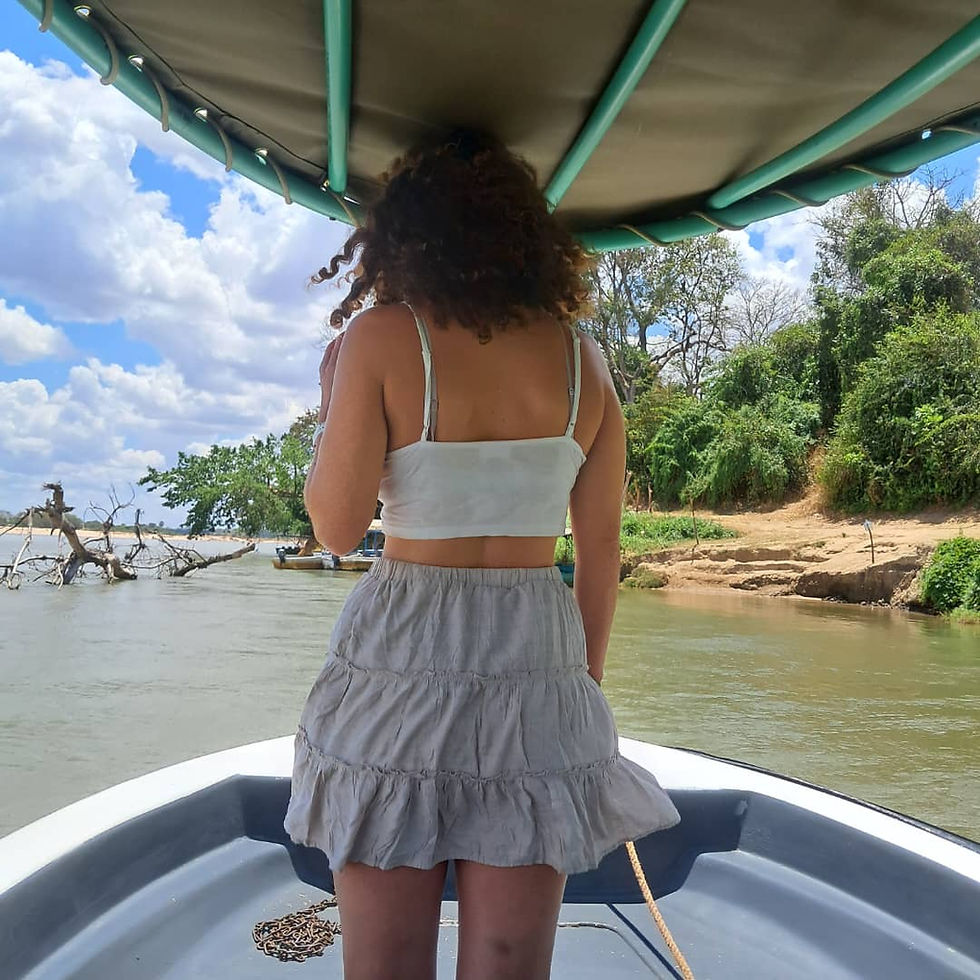
Nyerere National Park (formerly the northern part of Selous Game Reserve, pronunciation: "Seluu") (Hifadhi ya Taifa ya Nyerere, in Swahili) is a national park of Tanzania and is the largest national park in Tanzania and also one of the world's largest wildlife sanctuaries and national parks. The total area of the park is 30,893 km2 (11,928 sq mi) and covers the big part of Liwale District in western Lindi Region, south west Pwani Region, north eastern Ruvuma Region and a big part of south eastern Morogoro Region.[1] The park is about the size of Belgium (Europe). Much of the area is in a wild state without being altered by human activities. The part of Selous game reserve is now running a hydro electric power. The park has a great river known as Rufiji River. Rufiji is Tanzania's largest river and is home to many crocodiles and hippopotamuses. It is also one of largest mangrove forests in the world located at its delta.
(2)
Tanzania -Southern Circuit
Mikumi National Park

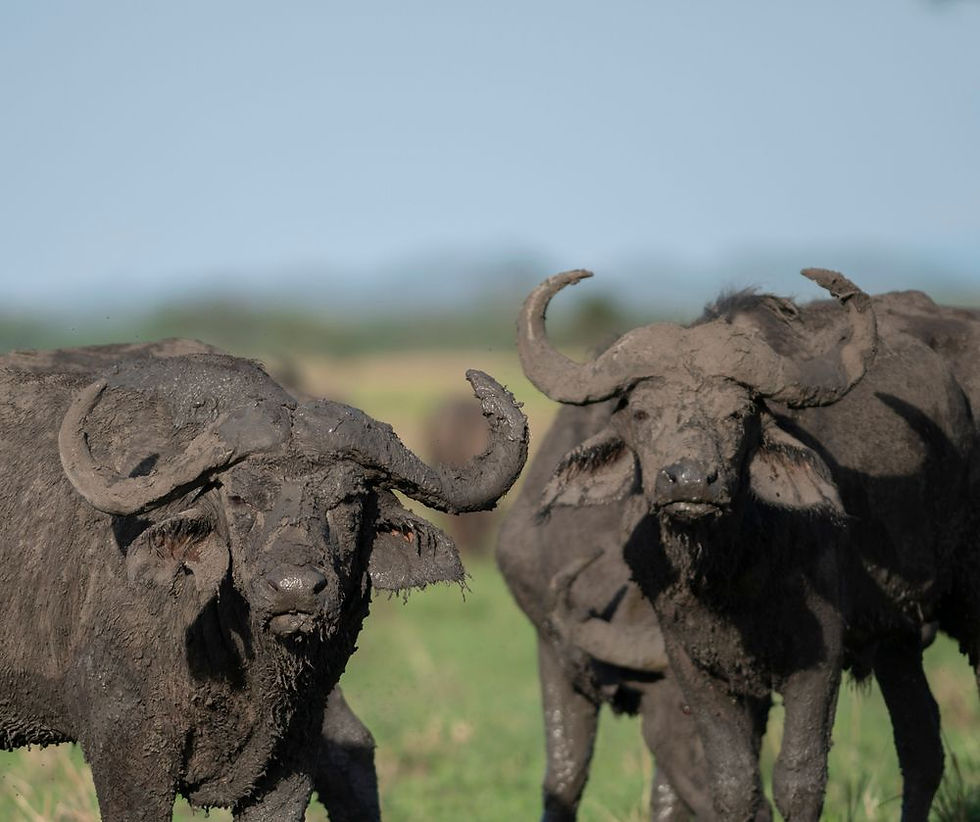
Mikumi National Park is a national park in Tanzania located near the city of Morogoro, with an area of 3,230 km2 (1,250 sq mi) that was established in 1964. It is the fourth largest in the country (Source Wikipedia).
Territorial:
Mikumi National Park borders Selous Game Reserve on the south, the two areas forming a unique ecosystem. Two other natural areas bordering the national park are the Udzungwa Mountains and Uluguru Mountains. Malundwe Mountain is within the park, the highest of a belt of hills that run east and west through the park, connecting the Uluguru Mountains to the northeast with the Uvidunda and Udzungwa mountains to the west. Malundwe Mountain consists of three peaks along a ridge running north and south. Malundwe's south peak is the highest point in the park, reaching 1290 meters elevation.[2]
(3)
Tanzania- Southern Circuit
Ruaha National Park
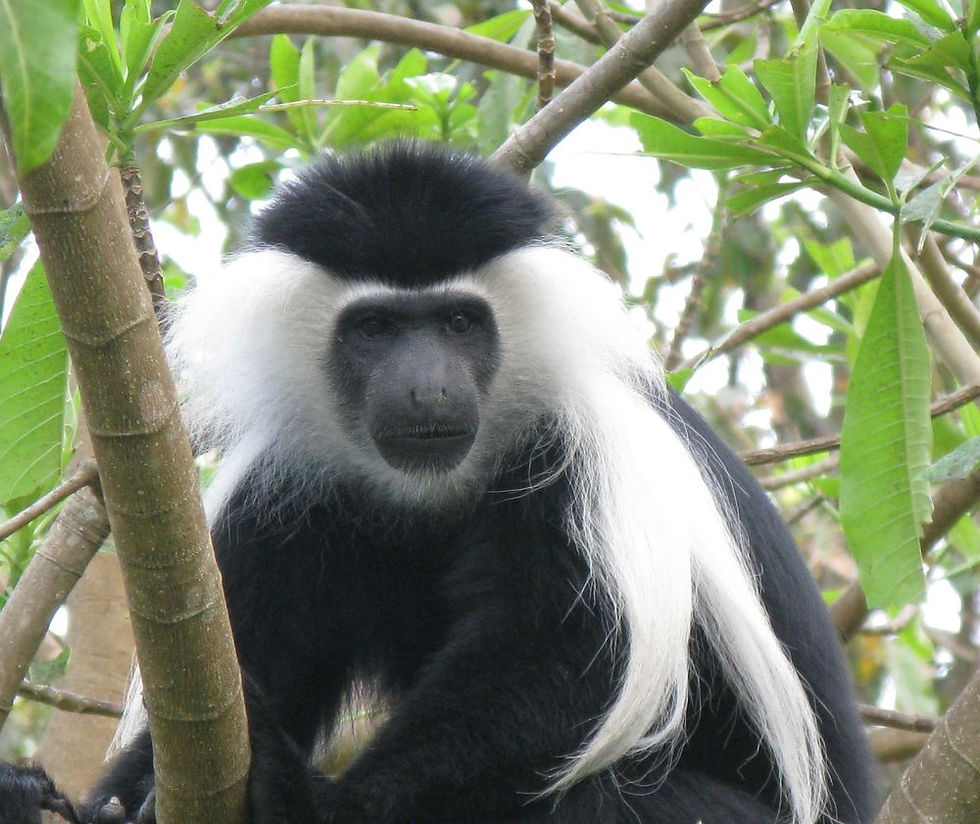
Ruaha National Park is the second largest national park in Tanzania, known for its vast and diverse landscapes. It was originally established in 1910 as the Saba Game Reserve under German colonial rule. In 1946, the British expanded the area and renamed it Rungwe Game Reserve. Later, in 1964, the southern part of the reserve was designated Ruaha National Park. The park's size grew again in 2008 when the Usangu wetland was included, and after boundary changes in 2023, it now covers about 19,822 km².
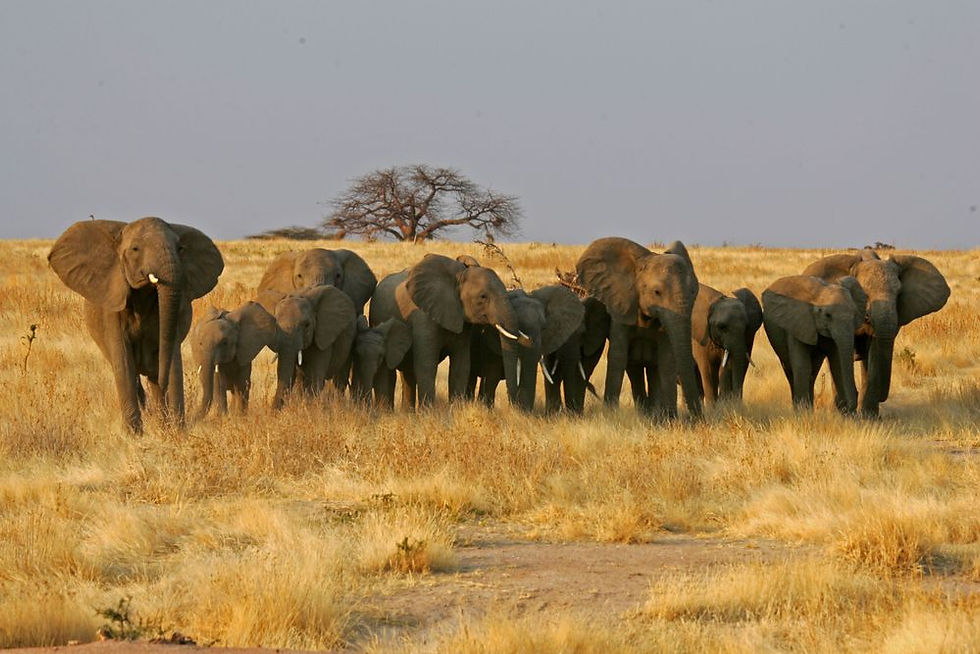
The park is famous for its abundant wildlife, including large populations of elephants, lions, leopards, cheetahs, and rare African wild dogs. It is also a top birdwatching destination, with over 570 species, including the Ruaha red-billed hornbill and Ruaha chat, which were first discovered here. The park’s terrain consists of rugged hills, baobab-studded plains, and deep river gorges. (Source: Ruaha National Park